It's a policy choice, both consciously and unconciously built into layers and layers of past decisions. We can consciously choose otherwise but we must consistently and consciously choose otherwise.
The easiest place to start would actually be Nanaimo, where our train line is still in use from downtown at the corner of Terminal & Front paralel to the waterfront south to chase river then curves around to head back north inland through the middle of town - nearly to mostar is still operational.
It's single track - but by having passing sidings at stations and good scheduling and signaling we can have great service without having to doubletrack the whole thing right away. For a glimpse at what is possible for singletrack rail transit with passing at stations and simple standard equipment, check out any video about the Enoshima Electric Railway (aka Enoden). Japan uses high-floor rail multi-units by default; whether we choose high or low floor isn't important so long as we pick a standard height and build the stations to match so there's no step (for faster loading and accessibility). This video shows how the train works on the Enoden Line. This video gives a better view of the stations by not blurring it out if there's any people, but isn't a complete trip.
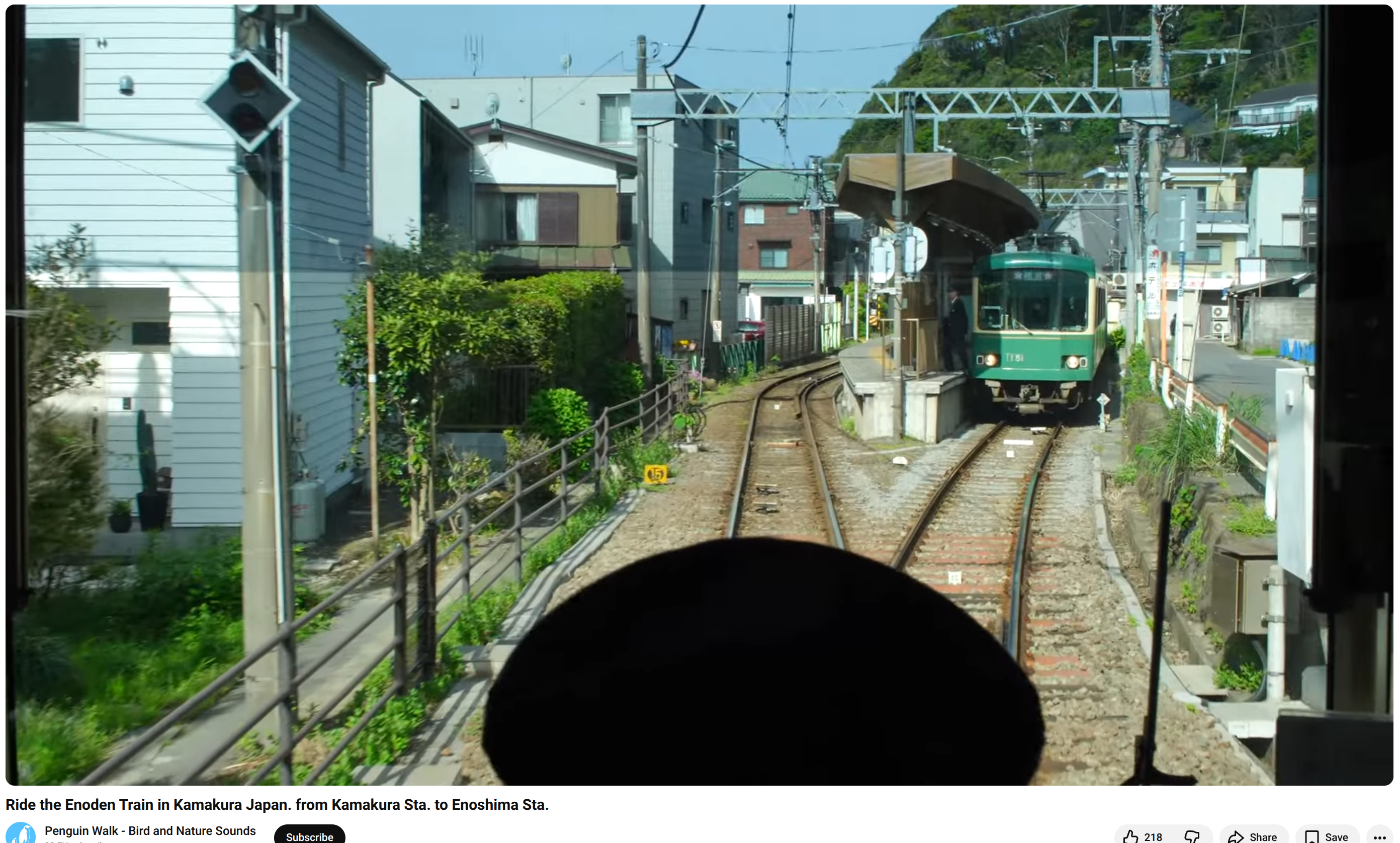
Putting simple platform stations on our existing line would look like this:
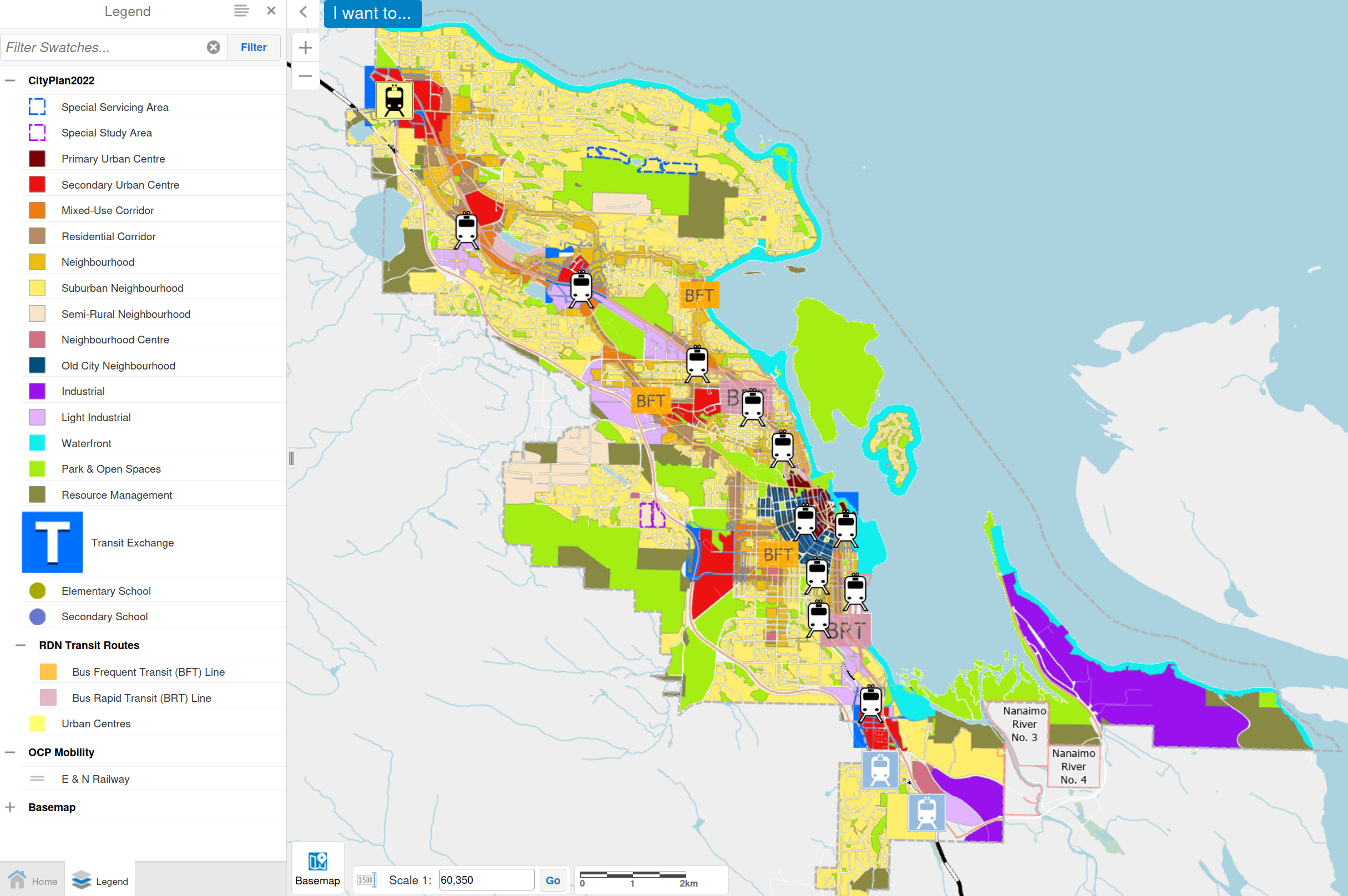
On this illustration the white train icons are the phase 1 line I described, with stations at Front, Portage (on SFN 1), Stockett (train-jargon for Chase river), 7th, 5th, Between albert & Fitz, Townsite, Terminal, Woodlands/Brooks Landing, Bowen, and Mostar. The Yellow train symbol shows a station at woodgrove mall - this would require an extension or realignment of the right of way. The blue train symbols show a Phase 2 to the airport with stations at Starks (train Jargon for Extension) and Sandstone.
And those first aid classes should be more comprehensive in covering emergencies in the community not just the workplace, and not just injuries. The province should be developing a community emergency response curriculum that includes the skills for small everyday emergencies, injuries, and big emergencies. The Curriculum should probably include narcan use, trench foot first aid (yes, that's absolutely a problem for unhoused people), fire extinguisher use, "mental health first aid", deescalation, checking on your neighbours, etc.
Yep. it's "Liftoff: Couch to Barbell", a progam for building functional strength for people who don't know what to do in a gym and don't have the strength to lift the bar (an empty barbell bar starts out at 45lb). You can start with following along this video 3 nonconsecutive days per week for 4 weeks. Only equipment required for this phase is a broomstick.
Also, creatine monohydrate; any brand. Really, any brand, whatever's on sale so long as it's only creatine monohydrate. It probably comes with a scoop; one scoop a day. It's not magic; it's not steroids; if you take it without also doing resistance exercises it probably won't do anything. Tell your doctor you're taking it if they're sending you for checkup bloodwork ~ it can create a false positive for a kidney problem. If you already have a kidney problem, maybe talk to your doctor before taking it.
The gym I use is Nanaimo Aquatic Centre weight room. I like it because it's close to my house and owned by the community, democratically controlled, and operated to meet the needs of the community
I also joined a class in Historic European Martial Arts (playing with longswords and quarterstaffs etc). It's through Parks and Rec, which is also owned by the community, democratically controlled, and operated to meet the needs of the community.
Because the majority of the things we depend on (apartments, grocery chains, fuel, auto manufacturers, cell towers, etc) are currently privately owned, a private dictatorship, and operated to suck as much money out of the community as possible.
There's multiple scales of community (building, neighbourhood, city, region, province, country, planet), multiple definitions of democratic control, and multiple needs of the community in that.
In BC many of us can get our food from Co-op stores (but most of us don't) - we should expand this. In most of BC electric distribution is by BC Hydro which is owned by the community (Province of BC), has democratic oversight but not democratic control, and operated for the benefit of BC. Gasoline distribution however is done by private foreign corporations, controlled by corporate boards, for the benefit of the boards.
Natural monopolies (and oligopolies) that are things everyone depends on are especially important to transition.
That which everyone needs but is not profitable to provide to everyone is also important to expand community ownership, democratic control, and community needs service. By that I mean we should be building a LOT of public, supportive, and co-op housing, public transit, co-op grocery stores, etc.
People who had no way to ply their trade other than opening a private business that others now depend on (such as vetrinary clinics or small town hardware stores) should have a way to retire while transitioning the business to community ownership rather than closing down or selling to private equity roll-ups.
All things being equal, contracting out things an organization needs done all the time is more of a waste than doing it in house. But things aren't equal, so it's often much worse.
We live in a mixed economy, transitioning to more community ownership, democratic control, and operation for community needs is good and right, and can be done incrementally.